


Central bankers gathering this week for one of the world’s most prominent annual economic forums are set to find themselves more divided than perhaps any time since before the pandemic.
For years, assessments at the Federal Reserve, European Central Bank and a swath of their developed-world peers were much the same. When the initial 2020 Covid shock struck, they slashed interest rates and pumped in liquidity.
And when it became clear that a subsequent bout of inflation wasn’t going away on its own, they implemented the most aggressive tightening campaigns in decades to counter it.
Even little more than a year ago, monetary chiefs were on the same page at the ECB’s annual confab in Sintra, Portugal in seeing more work to be done to quell inflation.
Today, with inflation having come down but remaining above 2 percent targets, there’s more distance among the group as officials weigh the risk of price pressures remaining too high against the danger of tipping their economies into a downturn.
For investors, it makes for a more volatile backdrop. While the ECB already cut its benchmark rate more than two months ago, the Fed has yet to pull the trigger.
The BOE moved on August 1, but only by a knife-edged 5-4 vote on its policy-setting panel. Australia’s central bank chief this month cited critics on both sides of the rates debate, with some advocating tightening and some calling for loosening.
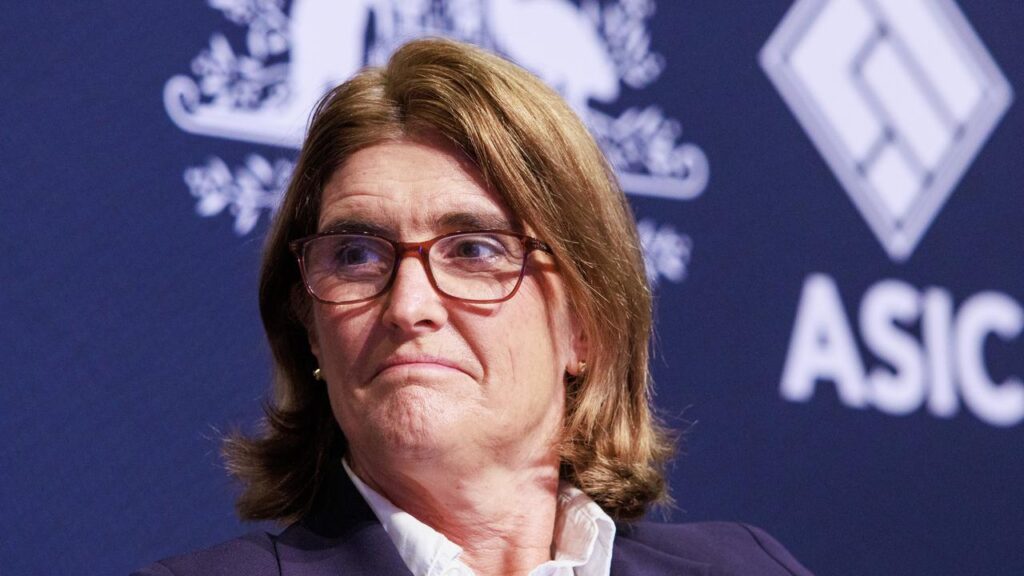
“I wish I had their certainty,” RBA Governor Michele Bullock said in her Aug. 6 press conference after keeping borrowing costs unchanged.
ALSO READ: Government Launches Pfumvudza Initiative to Enhance Agricultural Productivity and Climate Resilience
The trouble is, while “we have a lot of data which is telling us what went on in the past,” economic models aren’t able to fully capture what happens to the economy, she said.
Fed Chair Jerome Powell, who’s set to speak Friday at the Jackson Hole, Wyoming, symposium hosted by the Kansas City Fed, said last month that “forecasters have been continually surprised.”
This year’s theme for the conference is “reassessing” the effectiveness of monetary policy and how it transmits to the broader economy. The gathering typically sees major central banks represented at senior levels, and helps to shape investor expectations.
The Jackson Hole Economic Symposium is an annual symposium, sponsored by the Federal Reserve Bank of Kansas City since 1978, and held in Jackson Hole, Wyo., since 1981. Every year, the symposium focuses on an important economic issue that faces world economies. In the wake of the July jobs report, which showed an unexpected jump in the unemployment rate, and a slide in equities, traders began betting on a 50 basis-point cut at the Fed’s September meeting, if not before. Futures now suggest a smaller, 25 basis-point move is more likely.
The Reserve Bank shocked observers by cutting rates, after having signaled three months before that such a step wouldn’t happen until well into next year.
RBNZ officials defended their actions, saying they were responding to the information available at the time. Governor Adrian Orr later said moves from here on are likely to be “careful” and “measured.”
Surprise moves
The RBNZ episode came a week after Japanese central bankers had to swiftly recalibrate their message. The Bank of Japan on July 31 surprised some observers by both raising its key rate by 15 basis points and including forward guidance in its policy statement telegraphing further hikes to come.
In Europe, central bankers are facing a dilemma, with recent price data showing a surprise uptick in euro-area inflation to 2,6 percent alongside indications that the economy is doing worse than expected. Officials anticipate inflation to reach the 2 percent target at the end of 2025, but they always stress a high level of uncertainty.
Some policymakers, such as Greece’s Yannis Stournaras, see weaker growth as further justification for more easing, while others stress that inflation is still sticky. “We need to remain vigilant,” said Executive Board member Isabel Schnabel at the end of July.
Markets are fully pricing two more rate reductions this year, and a more than 50-50 chance of a third. This month’s split vote on the BOE’s Monetary Policy Committee saw Bailey at odds with his own chief economist, Huw Pill, who voted against the rate reduction. Bailey said after the August meeting that rate-setters are uncertain on which among multiple possible scenarios the economy could take, and have different views on their likelihood.