


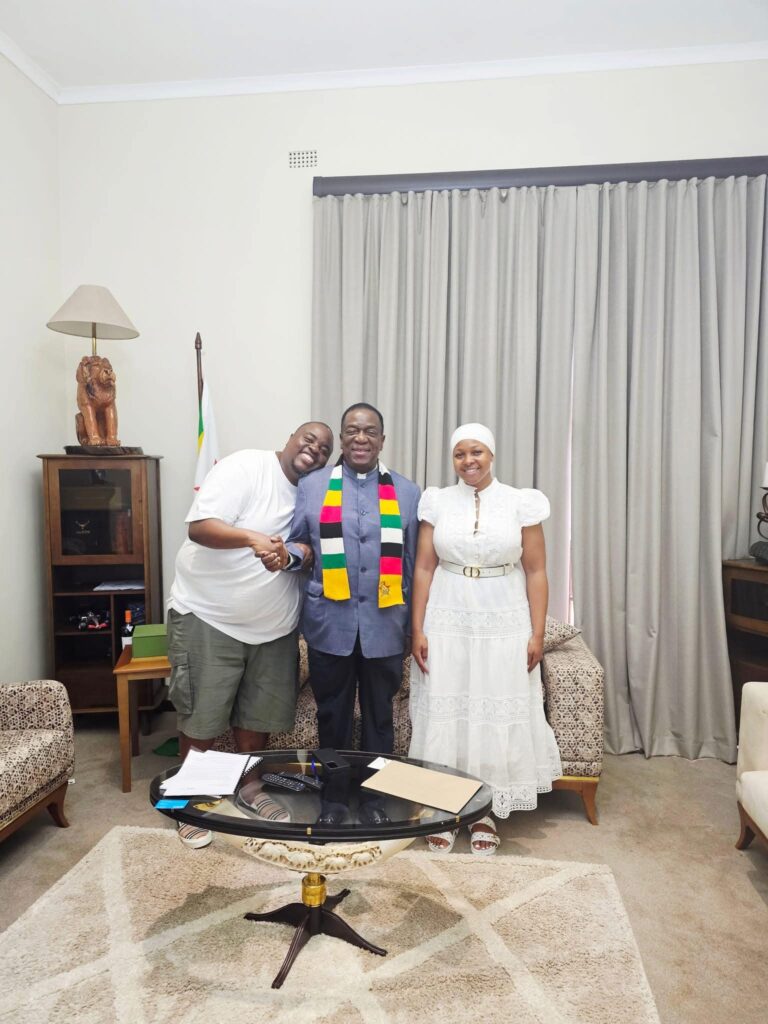
Zimbabwean businessman Sir Wicknell Chivayo has set social media abuzz with his high-profile lobola (bride price) negotiation.
Chivayo, known for his lavish lifestyle, has revealed that he intends to pay a substantial US$125,000 for his fiancée Lucy ‘Lulu’ Muteke’s lobola. This showcases the traditional African belief in marriage and sparks heated debates about the respect and approach to such significant cultural practices.
The Lobola Announcement
In a video shared by NashTV, Chivayo can be seen negotiating with Lulu’s family through his middleman (munyai).
The businessman disclosed his plan to pay the entire dowry upfront, a decision meant to avoid delays in the marriage process.
He emphasized that he didn’t want the negotiations to drag on, adding that he was prepared to settle the matter in one go.
He said, “Saka ndafonera munyai. Vasvika ka vanhu vaye. Saka vangotakura ka 50 thousand ndine imwe 75 mumota…” translating to a simple and straightforward request for the total dowry amount to be calculated.
With its upfront payment and avoidance of extended discussions, this unconventional approach to lobola negotiations highlights the growing influence of wealth and the desire for efficiency in modern African marriages.
Additional Dowry Gifts
In addition to the hefty cash amount, Chivayo added another layer of extravagance to his lobola offer.
As part of the dowry, he included five cattle and a purebred bull valued at US$8,000–9,000, offering them to help grow Lulu’s father’s herd.
“Mombe dzamunenge machaja achakupai dzimwe 5 pamusoro ne bhuru rekuma 8 9 thousand dollars pure breed…” Chivayo said, further emphasizing his wealth and generosity.
This is an example of how the lobola custom in African societies often goes beyond money, incorporating livestock to symbolize wealth, respect, and the bond between families.
Cultural Concerns and Criticism
While Chivayo’s gestures may seem generous to some, his approach has sparked criticism and raised questions about the role of love, respect, and culture in lobola negotiations.
Some Zimbabweans have expressed discomfort with how he conducted the negotiations, with many pointing out that his approach seemed more focused on showcasing wealth than adhering to traditional values.
Comments from viewers included:
“Zvine kakudherera soo 😂😂” (This is just embarrassing 😂😂)
“Is it really about love or just showing off mari yamakatibira coz honestly 😢tf”
“Sonja said ‘the hardest thing to get out of a rich man is respect’!!”
“Imari zvayo but such disrespect 😂😂what happened to following culture and doing zvataurwa nana Tezvara”
These reactions highlight the tension between traditional African values and the modern display of wealth.
Critics argue that Chivayo’s approach lacks the humility and respect traditionally associated with lobola negotiations, which are about money and building relationships between families.
A Symbol of African Marriage Traditions
At its core, lobola is about more than just the transaction; it is a cultural practice that symbolizes respect, commitment, and the union of families.
While the customs surrounding lobola vary from region to region, paying a dowry is seen as an essential step in formalizing a marriage in many African communities.
It is a way for the groom to show his appreciation and respect for the bride’s family and acknowledge the value of the woman he is marrying.
In Chivayo’s case, while his massive financial offer may be seen as a sign of his affection for Lulu, it also raises important questions about the intersection of wealth, tradition, and respect in the modern age.
For many, the essence of lobola lies in the negotiation process, where both families come together, and the groom demonstrates his respect for the bride’s family, not just through the value of the dowry but also through humility and understanding.
WATCH VIDEO: