


In Shona culture, mari yechema refers to money that is given to a family that has lost a loved one. This practice is deeply rooted in the values of unity, compassion, and collective responsibility.
When death occurs, relatives, friends, and even community members come together not only to mourn but also to support the bereaved family in practical ways. One of the most common forms of support is through financial contributions known as mari yechema.
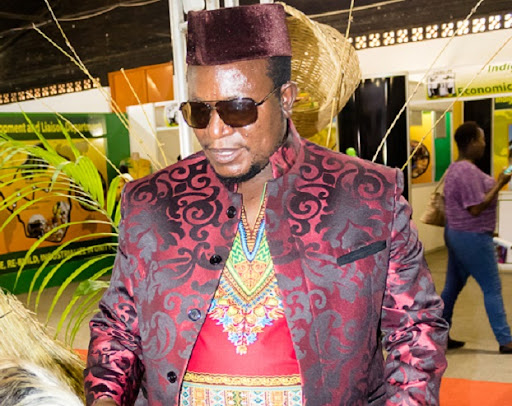
According to prominent traditional healer Sekuru Banda, “Mari yechema is usually given in the form of cash. People contribute according to their ability, and there is no fixed amount required.”
“The money may be handed directly to the family, placed in a container, or collected by a designated family representative. This money helps cover funeral-related expenses such as food for mourners, transport, burial costs, and other necessities. In this way, it reduces the financial burden on the grieving family and allows them to focus on mourning their loved ones,” Sekuru Banda said.
Beyond its financial role, Mari Yechema is a powerful symbol of togetherness. It reflects the African philosophy of ubuntu, the belief that a person is a person through others. Even small contributions are valued because they come from the heart. The act of giving shows sympathy, respect, and shared grief, reinforcing social bonds within the community.
A recent tragic story in Zimbabwe has brought renewed attention to the meaning of mari yechema. Businessman Wicknell Chivayo made headlines after donating US$50,000 in cash and a brand-new Toyota Fortuner GD6 to Ronald Mujuru, a man who lost his wife and five children in a devastating road accident during the Easter period.
“What Chivayo did to Mujuru is not bad; it is mari yechema and depends on how much you can afford. Many people may take a long time to heal after such a situation, so the money he was given helps the bereaved to cover expenses during the funeral and after.
It is not fixed money in Mari Yechema; any amount of money is important. I thank Wicknell Chivayo for continuing to help people in difficult situations. Although Mari Yechema haifanirwe kutaurwa on social media, what he did for Mujuru is excellent. God bless Chivayo,” Sekuru Banda added.
This debate highlights how traditions like mari yechema continue to evolve in modern society. While the core idea remains the same, supporting the bereaved people differs in how it should be practiced today.
Mari yechema remains an important part of Shona culture. It is not just about money but about compassion, unity, and standing together in times of loss. The recent Mujuru case shows both the strength of this tradition and the ongoing conversations about how it should be practiced in a changing world.