


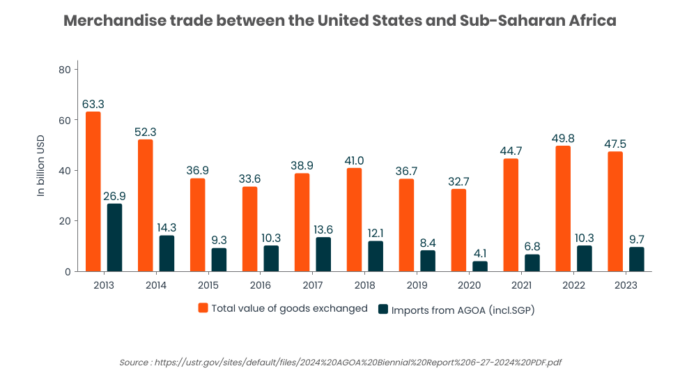
Donald Trump begins his second term in office, a new chapter unfolds in global geopolitics. This development carries profound implications for Zimbabwe and Africa as a whole, offering both challenges and opportunities. For decades, the relationship between Africa and the West has been framed by outdated narratives of dependency, with Western nations positioning themselves as the custodians of democracy, trade, and development, while Africa, often portrayed as a subordinate, has been relegated to a passive role.
Zimbabwe, in particular, is calling for a shift in this dynamic. The nation seeks to be recognized as an equal partner, not as a leftover relic of colonial history. To understand this call, it is crucial to reflect on Zimbabwe’s past and the complex, often strained relationship with Western nations.
A History Shaped by Colonial Exploitation
The scars of colonialism still haunt Zimbabwe, as they do many African nations. Colonial powers extracted resources from the continent while preventing the development of local industries, resulting in underdeveloped economies and lasting inequalities. Even after Zimbabwe gained independence in 1980, the vestiges of this exploitative system continued to shape the nation’s economic realities.
Western nations, while advocating for democracy and development, have imposed policies that have often done more harm than good. Sanctions, conditional aid, and unfair trade practices have deepened the mistrust between Zimbabwe and the West, reinforcing the idea that Africa is viewed as a “project” rather than a partner.
The New Africa: A Land of Opportunities
Today, Africa is emerging as a dynamic and resource-rich continent. With vast mineral wealth, an educated workforce, and growing innovation, Africa, and Zimbabwe in particular, represent critical players in regional and global markets. The African Continental Free Trade Area (AfCFTA) has unlocked potential for intra-African trade, creating an economic bloc with a GDP of over $3 trillion. Zimbabwe’s Vision 2030 aims to transform the nation into an upper-middle-income economy, but realizing these goals requires more than just political will—it necessitates fair access to global markets and equitable partnerships.
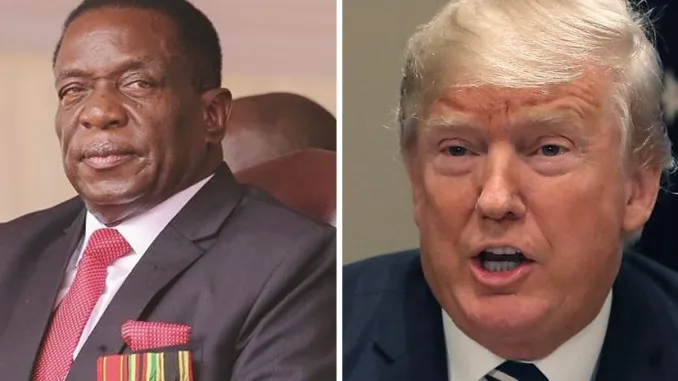

Zimbabwe’s call for fair treatment is not a demand for charity. It is a call for fairness, advocating for equal partnerships that go beyond exploitative practices and instead focus on mutual respect and shared benefits.
The Need for Fair Trade and Investment
One of the key elements of this call is a demand for access to Western markets on fair terms. Zimbabwe’s rich resources, from minerals to agricultural products, can play a vital role in global supply chains, but trade barriers, tariffs, and restrictive export policies must be reconsidered. Western nations possess advanced technologies in areas like renewable energy and agriculture that could help Zimbabwe achieve sustainable development. The transfer of such technologies, however, must be free from exploitative licensing agreements that have historically hindered progress in the Global South.
Rather than aid packages that come with burdensome conditions, the West should focus on financing infrastructure projects, supporting local industries, and helping Zimbabwe integrate into global value chains. This approach would foster a sustainable path toward economic growth.
Rethinking Diplomacy: Engaging on Equal Terms
The language of diplomacy is crucial in shaping the future of Zimbabwe-West relations. Zimbabwe should not be treated as a subject to be lectured on governance and democracy but as a sovereign nation with unique developmental challenges. Zimbabwe must engage with the West on equal terms, recognizing the importance of both parties in driving progress.
Trump’s “America First” policy may have been contentious, but it also created opportunities for countries willing to assert their interests boldly. Zimbabwe can leverage this transactional style to redefine its relationship with the United States. By presenting itself as a reliable partner with clear economic opportunities, Zimbabwe can attract American investment in sectors like agriculture, mining, and tourism.
The Role of the Zimbabwean Diaspora
The Zimbabwean diaspora, particularly in the United States and the United Kingdom, plays a critical role in bridging the gap between Zimbabwe and the West. This community is instrumental in shaping perceptions, advocating for Zimbabwe, and fostering economic ties. With Trump’s presidency, Zimbabwe should actively engage its diaspora to encourage investment, remittances, and the advocacy for policies that create a more equitable global system.
Moving Beyond Sanctions
Sanctions, which have long been a tool of Western policy toward Zimbabwe, have failed to achieve their intended outcomes and have instead perpetuated economic hardship. For Zimbabwe to engage effectively with the West, these sanctions must be lifted. This would create a conducive environment for trade, investment, and collaboration.
Zimbabwe’s own efforts to strengthen its institutions, promote transparency, and uphold the rule of law are key components of this vision for a more equitable future. As Zimbabwe works to rebuild its economy, its engagement with the West should focus on mutual benefits, promoting economic diplomacy that prioritizes long-term, sustainable growth over short-term punitive measures.
Building a Future of Equal Partnerships
The future of Zimbabwe’s relationship with the West must be built on respect, fairness, and collaboration. This is not about Africa demanding to be treated as a subordinate; it is about creating a new narrative where Africa is seen as an equal partner, capable of shaping its own destiny and contributing to global solutions.
Donald Trump begins his second term, Zimbabwe’s message is clear: It is time for the West to shed its paternalistic mindset and engage with Africa as equals. The time for treating Zimbabwe and Africa as remnants of a colonial past is over. Only through mutual respect and genuine collaboration can Zimbabwe, and Africa at large, build a future of shared prosperity and opportunity.
RELATED NEWS;
Renowned Journalist Explains Zimbabwe’s Stakes After U.S. Exit from WHO
A 35 year old man Arrested for Alleged Indecent Assault on his 10 year Daughter