


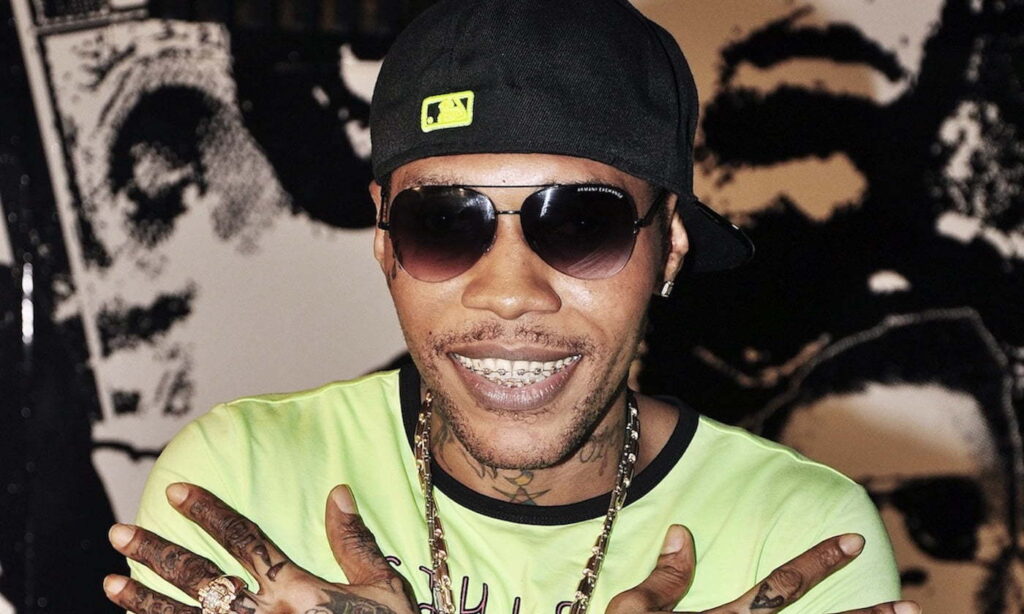
Dancehall icon Vybz Kartel, whose real name is Adidja Palmer, was denied bail by the Kingston Supreme Court in a much-awaited judgment. The lawsuit involving the well-known musician is still pending, but the decision that was made yesterday has already generated a lot of response from the public, legal experts, and fans.
Since his arrest in 2014 and subsequent conviction for the murder of Clive “Lizard” Williams, Vybz Kartel has been jailed since 2011.
Even after being imprisoned, Kartel remained a major player in the dancehall scene, creating music while incarcerated and shaping the genre all over the world. His defense team has been actively seeking to get his conviction overturned, pointing to several inconsistencies in the trial and improper treatment of the evidence.
For Kartel and his supporters, who had anticipated a different result, the Supreme Court’s refusal of bail represents a significant blow.
Arguments from the legal team focused on allegations of procedural errors and the necessity of a new trial to assure justice. The court, however, stressed the seriousness of the allegations and the circumstances surrounding the case and determined that the justifications were insufficient to support granting bail.
Upon hearing the news, both supporters and detractors responded sharply and quickly. Devoted fans of Vybz Kartel took to social media to vent their dissatisfaction and displeasure, expressing their support with hashtags like #FreeWorlBoss and #JusticeForKartel.
ALSO READ: Elections 2024: eThekwini Expected to Fall to Zuma’s MK Party as ANC Faces Another Setback
Many claimed that since Kartel had already completed a substantial sentence, he ought to have the opportunity to challenge his conviction from a position of freedom.
However, the dancehall star’s detractors applauded the court’s ruling, arguing that the seriousness of the crime called for a stern punishment. The significance of preserving the conviction was underscored in order to guarantee justice for Clive Williams, the victim, and to sustain public trust in the legal system.
The Supreme Court’s judgment has also sparked debates among legal experts, who have examined its possible ramifications. According to some analysts, the refusal of bail in high-profile cases is indicative of a larger commitment to upholding the integrity of the legal system.
Some contend that Kartel’s prolonged incarceration highlights the difficulties encountered by those attempting to dispute their convictions under Jamaican law.