


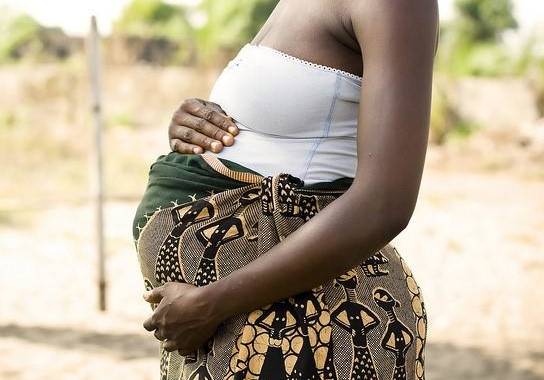
In many urban areas of Manicaland, a network of illegal abortion clinics and pharmacies is operating behind closed doors, fueled by desperation, greed, and a lack of regulation.
These clandestine operations are contributing to a significant public health crisis, with unsafe abortion procedures leading to serious complications such as sepsis, hemorrhaging, and infertility, which strain Zimbabwe’s already overburdened healthcare system.
An investigation by The Manica Post has uncovered the growing presence of illegal abortion clinics and the sale of abortion pills.
These pills are sold for around US$50, while the abortion procedure itself is priced at US$300. The illegal operations are run by unqualified individuals who are taking advantage of vulnerable women, often contributing to the rise in maternal deaths in the country.
One of the illegal abortion providers, operating under the name SAFE Zimbabwe , advertises services for pregnancies up to 28 weeks, which exceeds both the World Health Organization’s recommended cut-off of 24 weeks and Zimbabwe’s own legal limit.
When contacted, a representative from the clinic offered to perform the procedure for US$300, with payment required upfront before revealing their location. These underground abortion services are marketed through social media platforms and operate in multiple towns, including Mutare, Rusape, and Chipinge.
Despite the availability of safe, legal options under Zimbabwe’s Termination of Pregnancy (TOP) Act, which permits abortions in specific circumstances such as rape or when the health of the mother or child is at risk, many women remain unaware of their rights.
A 2018 survey by SAFE Zimbabwe found that only 25 percent of Zimbabweans were aware that abortion was legal under certain conditions.
The issue has hit home for many women, including a 19-year-old Chipinge rape victim, who was forced into having an unsafe abortion. Unaware of her legal rights, she was given abortion pills by the man who raped her, resulting in severe pain and complications.
“Had I known about the TOP Act, I would have reported the rape and avoided this illegal procedure,” she said.
RELATED NEWS
- SA High Court Sentences Three Zimbabwean Nationals to Life in Prison for Double Murder
- Tshabangu Reflects on Support from President and VP While in Intensive Care
- Chimanimani Girl, 6, Succumbs to Burns After Hot Water Spill
- Businessman Killed after Confronting Fiancée’s Boyfriend
- President to Lead Launch of 720-Megawatt Thermal Power Station in Hwange Tomorrow
Advocates like Edinah Masiyiwa from the Women’s Action Group (WAG) are working to raise awareness about the TOP Act and its provisions.
She highlights that many women are unaware that they are legally entitled to a safe abortion under the law. However, bureaucratic hurdles, such as requiring a court order to access an abortion, complicate the process further.
WAG is advocating for changes to the law to allow for broader access to safe abortion services, including recognizing mental health and social well-being as valid reasons for a legal abortion.
Medical professionals also emphasize the dangers of unsafe abortions, with Mutare-based gynecologist Dr. Miriam Kanyenze warning that illegal clinics and unregulated pills put women at great risk.
“Many women do not survive the complications that arise from unsafe abortions,” she explained, urging women to seek medical care if they have undergone an unsafe abortion to prevent further health risks.
The situation is dire, with hospitals across the country filled with women suffering from the aftermath of unsafe abortions.
Dr. Kanyenze stressed the importance of raising awareness about the legal options available and the importance of seeking professional medical care after any abortion procedure.
The reality of unsafe abortion practices in Zimbabwe underscores the need for comprehensive education about reproductive rights and better access to safe, regulated abortion services. Without these changes, many more women will continue to face dangerous and life-threatening situations.