


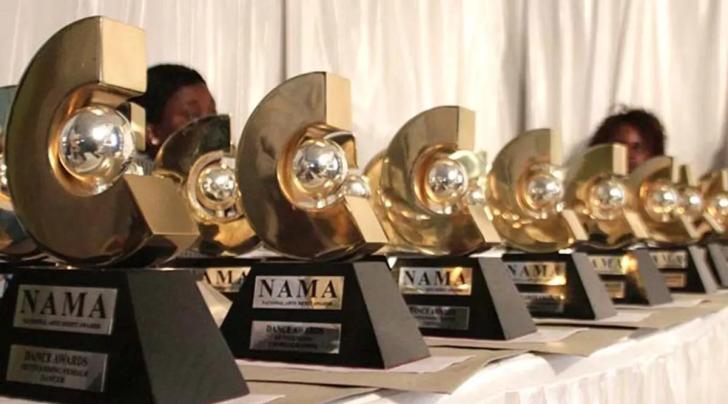
Zimbabwean music fans are currently divided over whether the country remains a “dancehall nation” or if other genres are finally reclaiming the spotlight. This debate follows the recent 2026 National Arts Merit Awards (NAMA), where a variety of genres shared top honours.
While Zimdancehall has long been the dominant sound in urban streets and public transport, the latest industry trends suggest a shift in listener preferences across the country. High-production genres such as Afro-fusion, along with the steady rise of Zim hip hop, are now competing for airtime and corporate sponsorships once largely reserved for dancehall artists.
“Dancehall is the heartbeat of the ghetto because it is fast and affordable to produce,” said music critic Tinashe Mutero during a recent industry panel in Harare. He noted that although dancehall artists release music more frequently, artists from other genres are gaining more international bookings and technical awards.
The genre’s dominance is also being challenged by the growing success of artists such as Jah Prayzah and Feli Nandi, who focus on live instrumentation and traditional fusion. Both artists secured major wins at this year’s awards, highlighting a growing audience preference for polished, melodic sounds.
“We are seeing a more balanced music ecosystem, where a Sungura track can trend alongside a dancehall tune in a tune-for-tune battle,” said promoter Partson Chimbodza. He added that social media has helped level the playing field, allowing artists from smaller genres to reach wider audiences without relying heavily on radio exposure.
Despite increased competition, Zimdancehall remains one of the most culturally influential genres due to its ability to quickly reflect everyday social realities. However, as the 2026 music season unfolds, Zimbabwe’s music industry is evolving into a more diverse and dynamic landscape.