






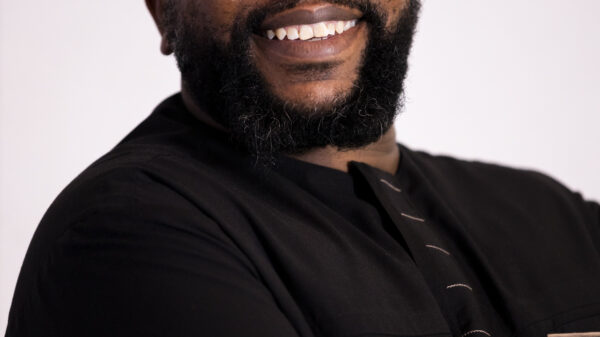














American rapper and hip-hop entrepreneur Lil Wayne has secured a $20 million legal victory against his former attorney, Ron Sweeney, after a prolonged courtroom battle that revealed serious claims of financial mismanagement and a breach of fiduciary duty.
Reports confirm that the court ruled in Lil Wayne’s favor ordering Sweeney to pay $20 million in damages based on evidence that he mishandled the rapper’s business matters during their professional relationship.
The conflict arose from accusations that Sweeney imposed inflated fees and failed to prioritize Lil Wayne’s financial well-being. The artist, legally known as Dwayne Michael Carter Jr, asserted that Sweeney abused his trust and earned millions in unauthorized commissions.
Following years of litigation, the ruling was welcomed by the Grammy-winning performer, who called the outcome a triumph for integrity and justice.
“This has been a long fight, but I’m grateful that justice was served. I thank my team for standing by me and making sure the truth came out,” Lil Wayne said in a brief statement
According to industry analysts, the case sheds light on the increasing friction between creatives and their legal counsel in the broader entertainment industry, where disputes over contracts, royalties, and ownership rights are common.
A legal professional familiar with the matter remarked that the ruling could have a broader impact, encouraging artists to demand greater transparency from those handling their legal and financial affairs.
“This judgment sends a clear message artists must not only understand their contracts but also hold their advisors accountable,” the expert said.
Ron Sweeney, who worked with Lil Wayne for several years, has not released a public statement regarding the outcome. However, insiders suggest his legal team may be considering an appeal.
This legal win adds to a series of strategic moves by Lil Wayne, who in recent years has concentrated on growing his business ventures beyond music. His portfolio now includes brand collaborations, investments, and leadership of his own label, Young Money Entertainment.
For many fans and professionals in the industry, the case underscores the importance of diligence in safeguarding both finances and reputation even for top-tier artists.


