




















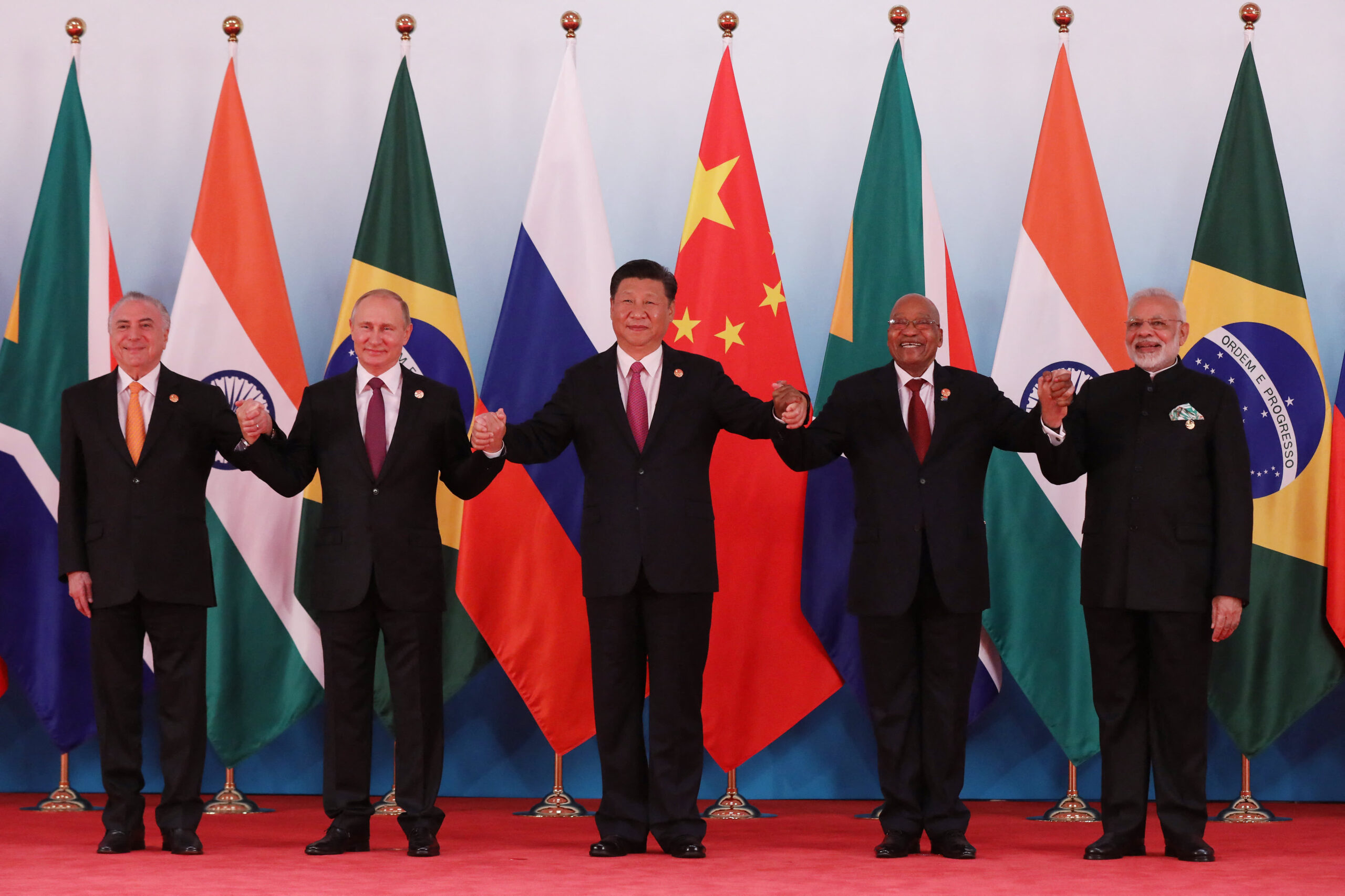
The BRICS alliance has officially welcomed 13 new countries as partners, a move intended to broaden its influence beyond the original five members: Brazil, Russia, India, China, and South Africa, while fostering a more inclusive global economy.
This announcement was made during the BRICS summit taking place in Kazan, Russia. Russian President Vladimir Putin remarked at the summit:
“This expansion represents a significant new chapter for BRICS as we strive to establish a more inclusive and representative global order. By incorporating these new partner nations, we reaffirm our commitment to creating a multipolar world that benefits not only the West but all regions.”
The newly added partner nations include Algeria, Belarus, Bolivia, Cuba, Indonesia, Kazakhstan, Malaysia, Nigeria, Thailand, Turkey, Uganda, Uzbekistan, and Vietnam. It is important to note that these countries are not full members yet.
ALSO READ: Former P*rn Star Riley Reid, Happily Married, Wants Her Videos Removed
This expansion of BRICS comes as a response to the growing demand for alternatives to Western-dominated institutions like the International Monetary Fund (IMF) and the World Bank.
However, BRICS will face several challenges ahead. The varying political systems and economic conditions of the new partner countries will require careful planning to ensure the successful implementation of the group’s initiatives.
Originally known as BRIC, the alliance became BRICS when South Africa joined in 2010.
The primary goals of the alliance are to boost economic growth, support trade and investment, and provide a platform for political dialogue among its members. BRICS also aims to enhance trade between member countries and reduce dependence on Western currencies.


