



















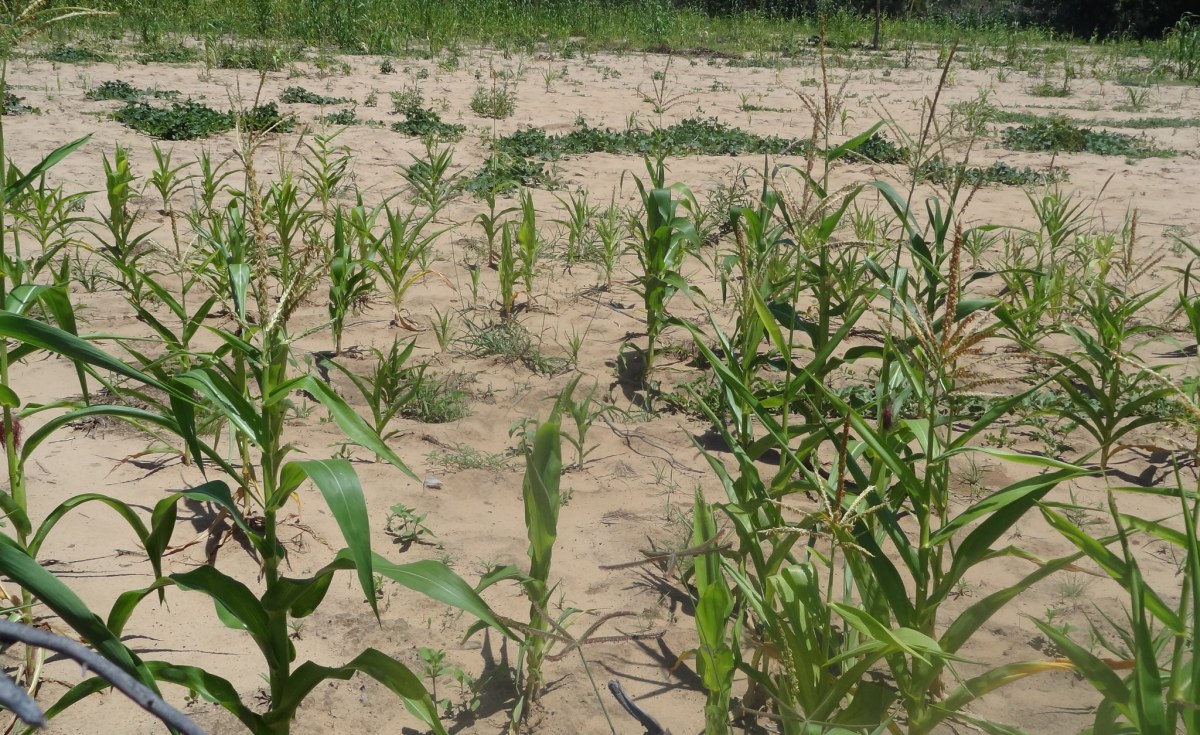
International meteorologists have reduced the likelihood and intensity predictions for La Niña’s formation, tempering hopes for increased rainfall in southern Africa.
Last summer’s El Niño phase resulted in severe drought conditions and widespread crop failures, prompting a significant need for food assistance across the region.
Initially, there was optimism that a La Niña phase would follow El Niño, bringing much-needed rains. However, forecasts have recently become less favorable. In a bi-weekly update on Tuesday, the Australian Bureau of Meteorology reported that the chance of La Niña forming in 2024 has dropped, casting doubt over the prospects for a strong summer grain season in southern Africa. Their report noted:
ALSO READ: UK Court Dismisses Zimbabwe’s $124 Million Border Timbers Appeal
“… the likelihood of a La Niña event emerging in the coming months has decreased compared to earlier outlooks.”
“If a La Niña were to develop, it would likely be weak and short-lived, with all models showing a return to neutral by February.”
The El Niño-Southern Oscillation (ENSO), a natural climate cycle influencing global weather patterns, is currently in a neutral phase. During El Niño, ocean temperatures in the central and eastern Pacific rise, often leading to heavy rains in parts of South America and drier conditions in areas like southern Africa. La Niña, the opposite phase, typically brings cooler ocean temperatures to the same region and is associated with wetter conditions in southern Africa and drier conditions in South America.
In the current neutral phase, temperatures and weather patterns tend to stay around average levels, without strong warming or cooling effects. The Australian Bureau of Meteorology now suggests that, if La Niña develops at all, its effects may be limited and could dissipate by February.
Other global forecasting agencies have similarly adjusted their La Niña projections. A recent update from a U.S. government meteorological agency also downgraded the probability of a La Niña event, suggesting that, if it does develop, it would likely last only until March.
Even though a weak Niña or a neutral summer may not directly signal another drought for the region, the forecast uncertainties have raised concerns about the upcoming agricultural season.


