





















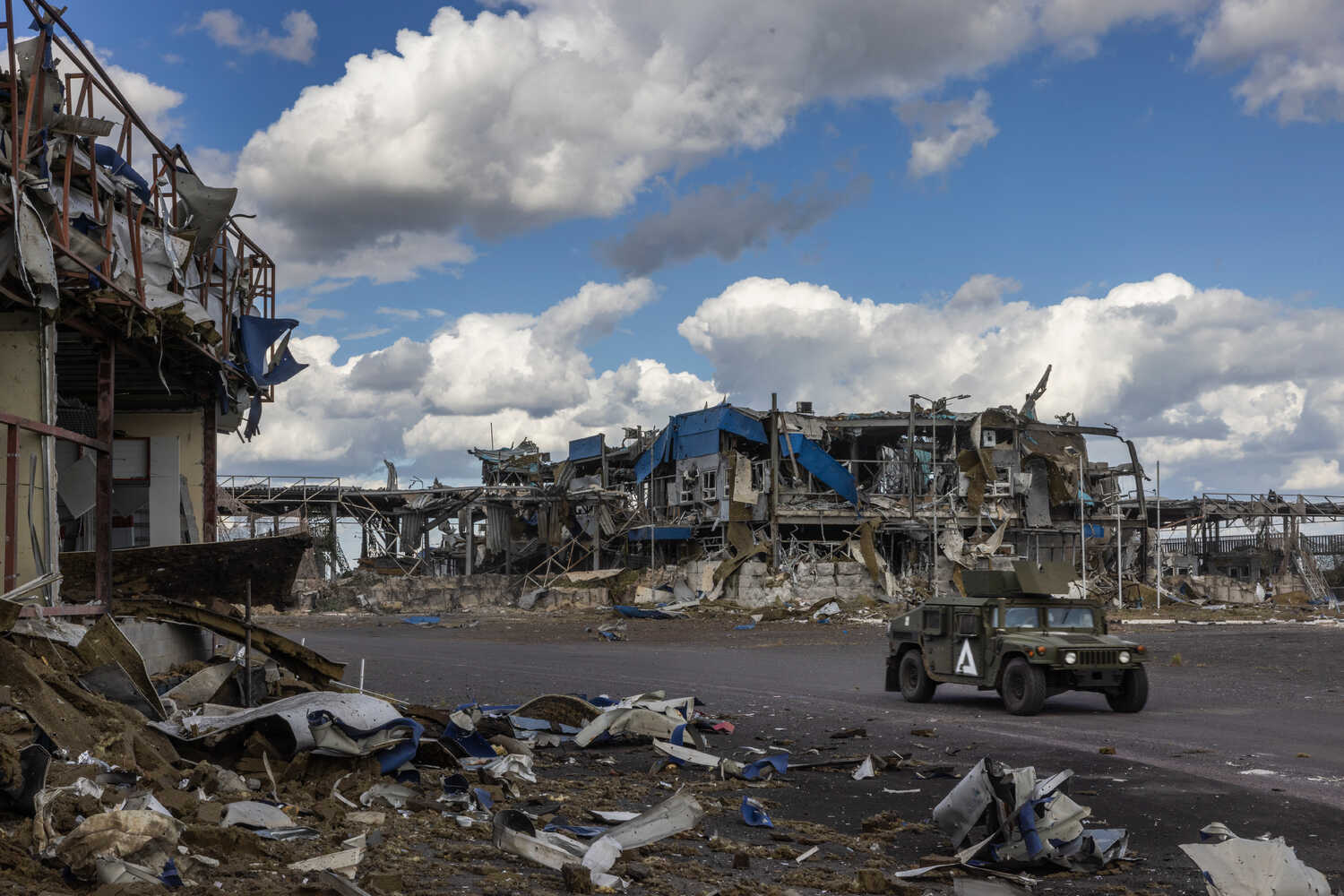
Ukraine has launched a surprise counteroffensive in Russia’s Kursk region, catching the Kremlin off guard and creating a dilemma for President Vladimir Putin. As Ukrainian forces advance deeper into Russian territory, Moscow is faced with the difficult decision of diverting more troops from Ukraine to defend its own soil or deploying fresh conscripts into the war.
The Ukrainian incursion has already achieved significant territorial gains, with Kyiv claiming control of over 1,293 square kilometers of Russian land and 93 settlements. This success has not only recaptured the battlefield initiative but also exposed the weaknesses of Russia’s military strategy.
The Kremlin’s initial response to the counteroffensive has been slow and chaotic, with a mix of border guards, national guard, FSB, and regular army units struggling to coordinate their efforts. Lieutenant-General Ben Hodges, a former commander of US forces in Europe, attributed Ukraine’s success to “good analysis” and their ability to neutralize Russian drones.
ALSO READ: EU Diplomat Urges West to Unleash Ukraine’s Full Firepower on Russia
As the situation unfolds, Putin is under increasing pressure to respond effectively. The use of conscripts in the conflict has sparked concerns among Russian mothers, who are demanding their sons be returned from combat zones. Soldiers’ mothers organizations have significant political power in Russia, and their protests could potentially sway public opinion against the war.
Meanwhile, Ukraine’s Western allies are urged to maintain their support and lift restrictions on the use of military aid. The Royal United Services Institute believes Ukraine is preparing the ground for possible negotiations with Moscow, but only if Russia is placed under sufficient pressure.
As the conflict escalates, one thing is clear: Ukraine’s daring counteroffensive has changed the dynamics of the war, and the Kremlin is scrambling to respond. With the international community watching closely, the outcome of this pivotal moment will have far-reaching consequences for the region and beyond.
ALSO READ: Zimbabwe Gold ZiG Gains Traction 39% of Domestic Transactions


