



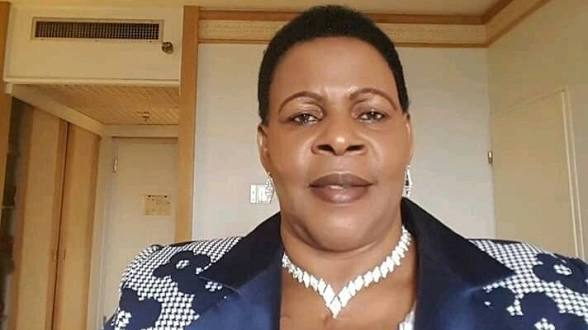

















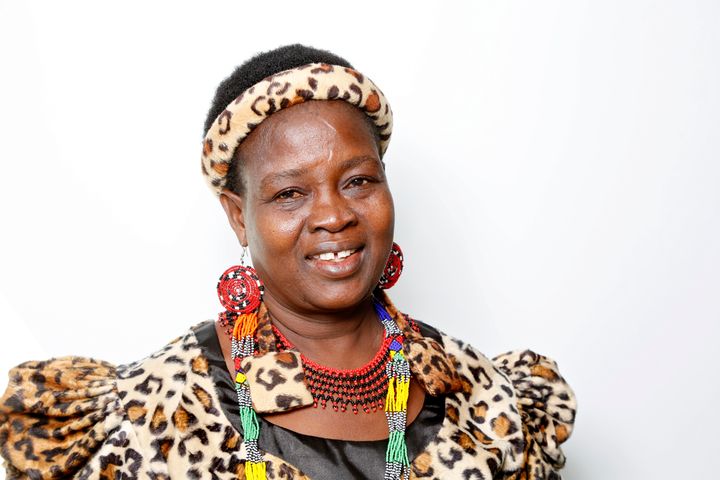
Theresa Kachindamoto, the senior chief of the Dedza District in central Malawi, grew increasingly concerned as she saw young girls as young as 12 carrying babies.
She decided to take action, getting 50 of her sub-chiefs to sign an agreement to end child marriage in her jurisdiction.
“I told them: ‘Whether you like it or not, I want these marriages to be terminated,’” Kachindamoto said.
Her actions went further than just preventing new marriages. She also ordered the annulment of existing child marriages, sending the young girls back to school to continue their education. Although child marriage has been illegal in Malawi since 2015, it continued under customary law, which allowed unions with parental consent and approval from traditional leaders.
When four male chiefs resisted by continuing to approve child marriages, Kachindamoto suspended them as a warning. They were reinstated only after they had annulled the underage unions they had approved.
“Initially, it was difficult, but now people are understanding,” Kachindamoto said in an interview.
ALSO READ: Mucheche Allegedly Faked Power of Attorney, Threatened Complainant’s Life
To further protect these children, Kachindamoto created a secret network of parents who monitor the children’s attendance at school. She also ensures that school fees are paid, even covering them herself when necessary.
“I don’t want youthful marriages,” she said in an interview with U.N. Women. “They must go to school. No child should be at home or doing household chores during school time.”
In just one month, June, she annulled over 300 child marriages, bringing the total to nearly 850 over the past three years.
Malawi has one of the highest rates of child marriage globally, with half of all girls married before their 18th birthday. This practice disrupts their education and increases their risk of early pregnancy and domestic violence.
In rural areas like Dedza, poverty and the dowry system contribute to the prevalence of child marriage, making it difficult for families to see the value in keeping girls in school. Chief Kachindamoto works directly with parents to encourage them to invest in their daughters’ education.
“I tell them, if you educate your girls, you will have everything in the future,” she said. Theresa Kachindamoto


