
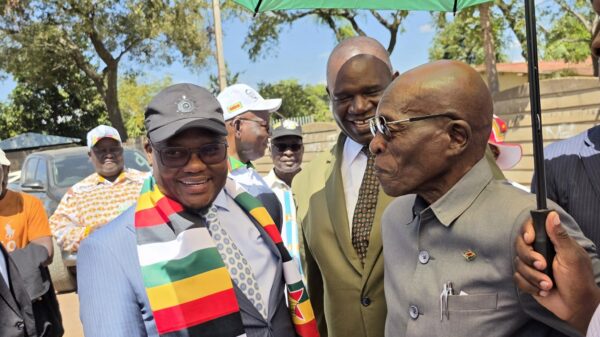




















Finance Minister Professor Mthuli Ncube has outlined the 2025 National Budget as a plan to stabilize Zimbabwe’s economy and prepare it to handle future challenges.
Speaking at a post-budget meeting organized by Business Weekly and the Confederation of Zimbabwe Industries (CZI), he highlighted the budget’s focus on recovery and long-term growth.
Zimbabwe’s economy has been hit hard by an El Niño-induced drought, which reduced growth from over 5% in 2023 to about 2% in 2024. Falling global prices for minerals, except gold, have also affected the country, where mineral exports make up 90% of export earnings.
Key points from the budget include:
- Agriculture: 11% of the budget is allocated to agriculture, focusing on food security and investments in irrigation to improve resilience against climate change.
- New Industries: Plans to diversify the economy by supporting industries like pharmaceuticals and car manufacturing. A development fund will be created to invest in these sectors.
- Local Manufacturing: Incentives will encourage local production to reduce reliance on imports.
- Regional Development: Resources will support balanced development across all regions, preventing neglect of any areas.
ALSO READ: Robert Junior Scandal Leads to the Rise of Mugabe’s Secret Son, Tonderai Gabriel Mugabe
To raise funds for critical sectors like health, education, and infrastructure, the government is considering selling some state-owned assets. The revenue will also help pay off national debt, which Prof. Ncube called a significant obstacle to progress.
In mining, declining demand for commodities like lithium and platinum poses challenges, though gold has performed well. The minister also introduced environmental initiatives, including taxes on plastic bags to encourage sustainability, and health taxes on unhealthy foods to promote better lifestyles.
Overall, the 2025 budget aims to balance growth, resilience, and sustainability for a stronger economy.


