





















Although Zimbabwe has not yet reported a case of the monkey-pox, the virus has now been found in eight African nations, including South Africa and Mozambique.
The World Health Organization reported this week that instances of the virus had been confirmed in 39 countries, prompting the organization to call an urgent meeting to discuss the infection. A small number of African countries are endemic to the disease in both its West African and Congo basin clades, but this year has seen a minor global epidemic of the disease’s milder West African clade, albeit the numbers are small. When monkeypox was confined to tiny, localized outbreaks in the African nations with rain forests, there was little cause for alarm; but, since its outbreak, there have been numerous headlines.
Since the smallpox vaccine is 85% effective against the much milder but related monkeypox, the virus was heavily suppressed during the major international effort to eradicate smallpox in the 1960s and 1970s; however, infection rates are believed to have been slowly rising since the end of smallpox vaccinations.
Zimbabwe is prepared to respond in a similar manner to any virus that poses a threat of becoming an endemic of international significance. Zimbabwe waged a thorough and efficient reaction against Covid-19, minimizing its consequences.
ALSO READ:BREAKING: Measles Outbreak Hits Zimbabwe’s Mutasa District, 20 Deaths Recorded To Date
No cases have been documented in Zimbabwe as of yet, but protocols are in place to deal with them, according to Mr. Donald Mujiri, a spokesperson for the Ministry of Health and Child Care.
“The situation is unchanged from our statement on June 6. The Ministry of Health and Child Care wants to reassure the public that there have not yet been any instances recorded in Zimbabwe, but it is closely observing how the outbreak is progressing in other nations.
“The government has also raised the alert level for its structures. Anyone who believes they may be experiencing symptoms resembling those of monkeypox should seek medical attention as soon as possible or phone our toll-free number 2019 for support, advised Mr. Mujiri.
Monkeypox is a rare viral zoonotic illness that is indigenous to Central and West Africa, according to a previous statement from the Ministry. In Zimbabwe, the illness is not pervasive.
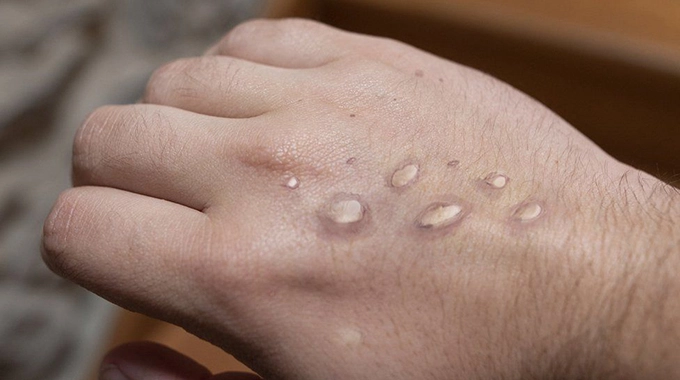
“It spreads through direct human touch,, animals or material infected with the virus. Symptoms of the disease include rash, fever, headache, muscle ache, swelling and back pain.
“Monkeypox symptoms are comparable to smallpox symptoms, however they are less severe.” It has additionally been mistaken for chickenpox.
According to the WHO, monkeypox often resolves on its own after two to four weeks of symptoms. There can be severe cases, and the case fatality ratio has been higher in the Congo basin clade and has been approximately 1% in the West African clade.
Dr. Matshidiso Moeti, WHO Regional Director for Africa, recently confirmed the cases and other suspected cases in that continent.
She indicated that while mass immunizations are not necessary at this time, a comprehensive response will be required through measures like testing and immunization.
Recently, Dr. Moeti stated, “‘This is certainly a unique circumstance, and it is affecting more and more countries.
We understand of course that we cannot afford any potential repetition and need to be appropriately prepared, especially in light of the injustices Africa experienced in regards to the Covid-19 response.
Avoiding contact with animals that potentially harbor the virus, such as those who are ill or have been discovered dead from unknown causes, is one of the government’s recommended prevention and control strategies.
Keeping sick animals and people suspected of having monkeypox infections away from any objects, including bedding and clothing, and separating suspected infected patients from others who might be at risk for infection.
Source:Herald


