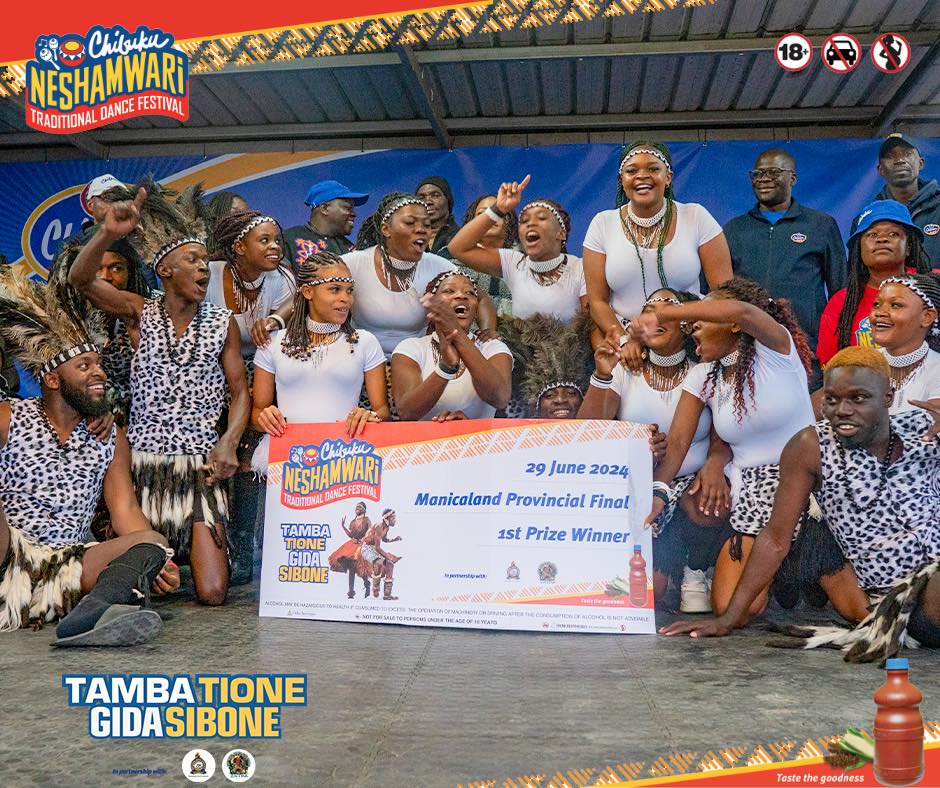





















The premier traditional dance showcase, the Chibuku Neshamwari Traditional Dance Festival, is set to return in 2026 with a nationwide programme celebrating heritage, unity, and cultural expression under the theme “Yorira Ngoma Shamwari, Siyakhal’ Is’gubhu Mngane.
Organized in partnership with the National Arts Council of Zimbabwe (NACZ) and the Zimbabwe National Traditional Dancers Association, the festival remains a cornerstone of Zimbabwe’s cultural calendar, bringing communities together through music and dance.
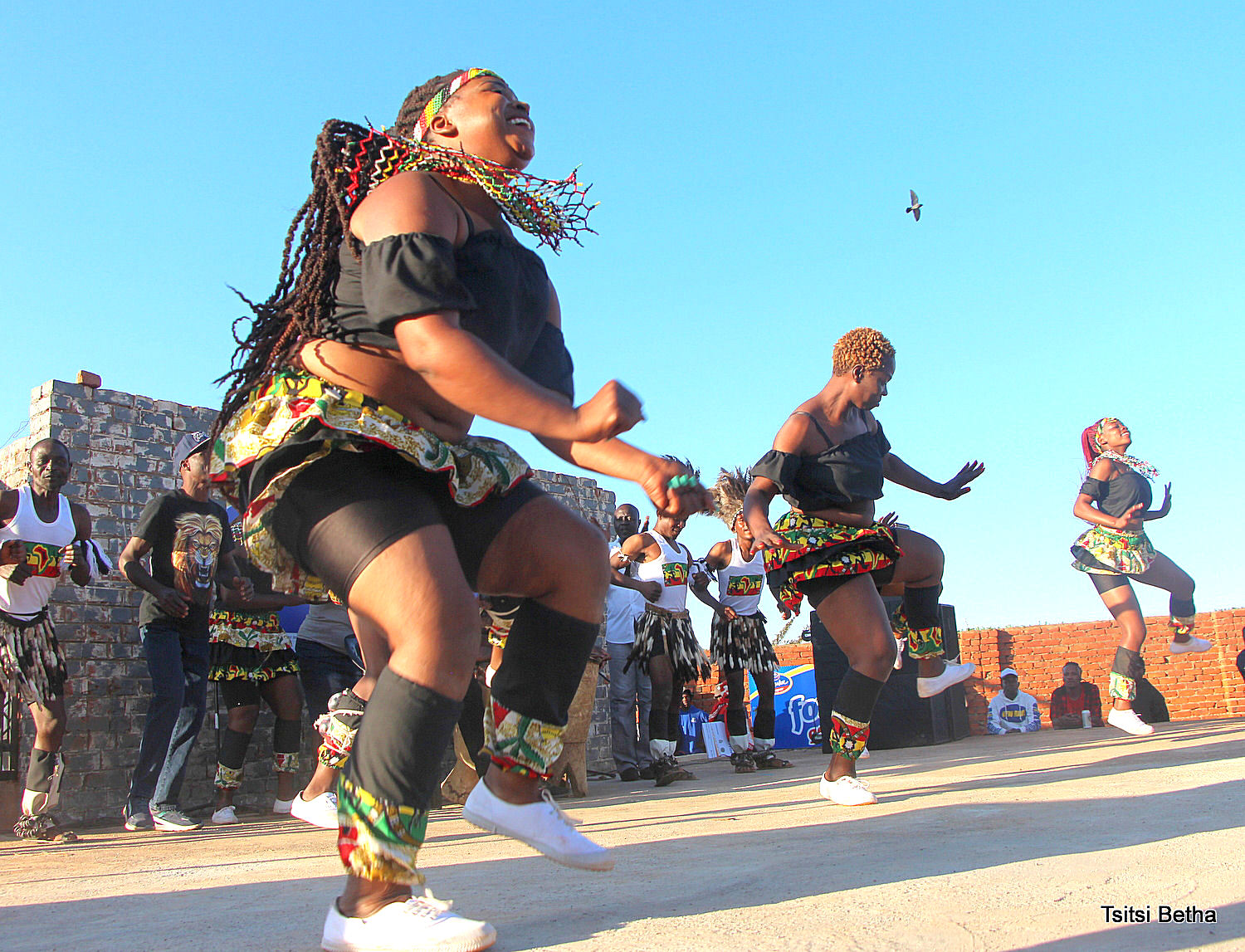
The 2026 edition will run from May 9 to July 11, featuring ten provincial finals held across the country ahead of the national showdown. Audiences can expect vibrant performances from traditional dance groups representing diverse regions, each showcasing unique rhythms, costumes, and storytelling rooted in Zimbabwean identity.
The provincial competitions will kick off in Bulawayo on May 9 at Manor Hotel, before moving to Mashonaland Central and Masvingo on May 16, Matabeleland South and Mashonaland East on May 30, and Harare on June 6 at Werras Park in Glen View. Subsequent rounds will take place in Mashonaland West and Matabeleland North on June 13, followed by Manicaland and Midlands on June 20. The national final, scheduled for July 11, will bring together the country’s top-performing groups at a venue yet to be announced.
Participants will compete for cash prizes at both provincial and national levels, with provincial winners receiving up to US$2,500, while the national champions will walk away with a grand prize of US$15,000. Organisers say the incentives are designed to support and sustain traditional dance groups while promoting cultural preservation.
The festival is sponsored by Delta Corporation through its flagship traditional beer brand, Chibuku, reinforcing the company’s long-standing role in promoting Zimbabwean culture and community engagement.
As one of the country’s most anticipated cultural events, the Chibuku Neshamwari Traditional Dance Festival continues to provide a platform for artistic expression while strengthening social bonds through shared heritage. Organisers say the event not only celebrates tradition but also connects generations through the universal language of dance.
Members of the public are being encouraged to attend the provincial showcases and the national final to experience the rhythm, energy, and diversity that define Zimbabwe’s cultural landscape.
Meanwhile, aspiring groups have been urged to register with NACZ and ZNTDA to participate in the competition, ensuring compliance with national arts standards and broad representation from across the country.
The festival’s enduring popularity underscores its role as a unifying force, celebrating friendship, identity, and the rich cultural traditions that continue to shape Zimbabwean society.