




















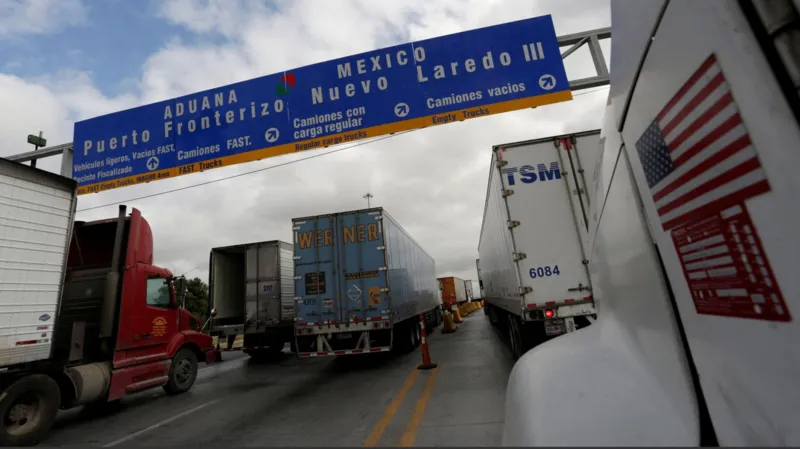
Donald Trump has announced plans to impose new tariffs on China, Mexico, and Canada starting on the first day of his presidency, in a bid to pressure these countries to take stronger actions against illegal immigration and drug smuggling into the United States.
In a post on Truth Social, Trump stated that immediately after his inauguration on January 20, he will sign an executive order imposing a 25% tariff on all goods from Mexico and Canada. He also revealed plans for a 10% tariff on Chinese imports, which he said would remain until China takes action to halt the flow of fentanyl into the U.S.
If implemented, these tariffs would mark a significant escalation in trade tensions with the U.S.’s top three trading partners. Trump explained that the tariffs on Mexico and Canada would remain in place until both countries address drug trafficking, particularly fentanyl, and take steps to curb illegal migration. He further criticized China for not following through on previous promises to impose harsher penalties on those caught dealing fentanyl.
A spokesperson for China’s embassy in Washington rejected Trump’s claims, asserting that it is inaccurate to suggest China is allowing fentanyl precursors to enter the U.S. The spokesperson stressed that the economic cooperation between the two countries is mutually beneficial and warned that no one wins a trade war.
ALSO READ: Israeli Cabinet Set to Discuss Proposed Ceasefire with Hezbollah
The Biden administration has urged China to do more to prevent the production of fentanyl, which has contributed to a sharp rise in overdose deaths in the U.S. Trump has previously proposed much higher tariffs than those imposed during his first term, including potentially up to 100% on goods from Mexico and China. He has also suggested ending China’s most-favored-nation status, a trade designation that provides preferential tariff rates.
Trump views tariffs as an essential tool for strengthening the U.S. economy, protecting American jobs, and boosting tax revenue. He has often argued that these tariffs won’t burden U.S. consumers but instead will impose costs on other countries.
Economists generally disagree with this view, pointing out that tariffs can lead to higher prices for consumers and businesses. Trump’s economic approach has been consistent with his campaign promises to use tariffs as a means to achieve his policy goals.
Trump’s choice for Treasury Secretary, Scott Bessent, has suggested that Trump’s threats to impose steep tariffs might be part of his broader strategy to negotiate favorable deals. Bessent described Trump’s approach as one of escalation to achieve de-escalation.
The proposed tariffs could also violate the terms of the U.S.-Mexico-Canada Agreement (USMCA), the trade deal Trump signed in 2020, which maintains a largely tariff-free trading relationship among the three countries. Following Trump’s tariff threat, Canadian Prime Minister Justin Trudeau reportedly held discussions with the president-elect regarding trade and border security. Mexico’s finance ministry emphasized that the USMCA provides stability for trade between the nations.


