




















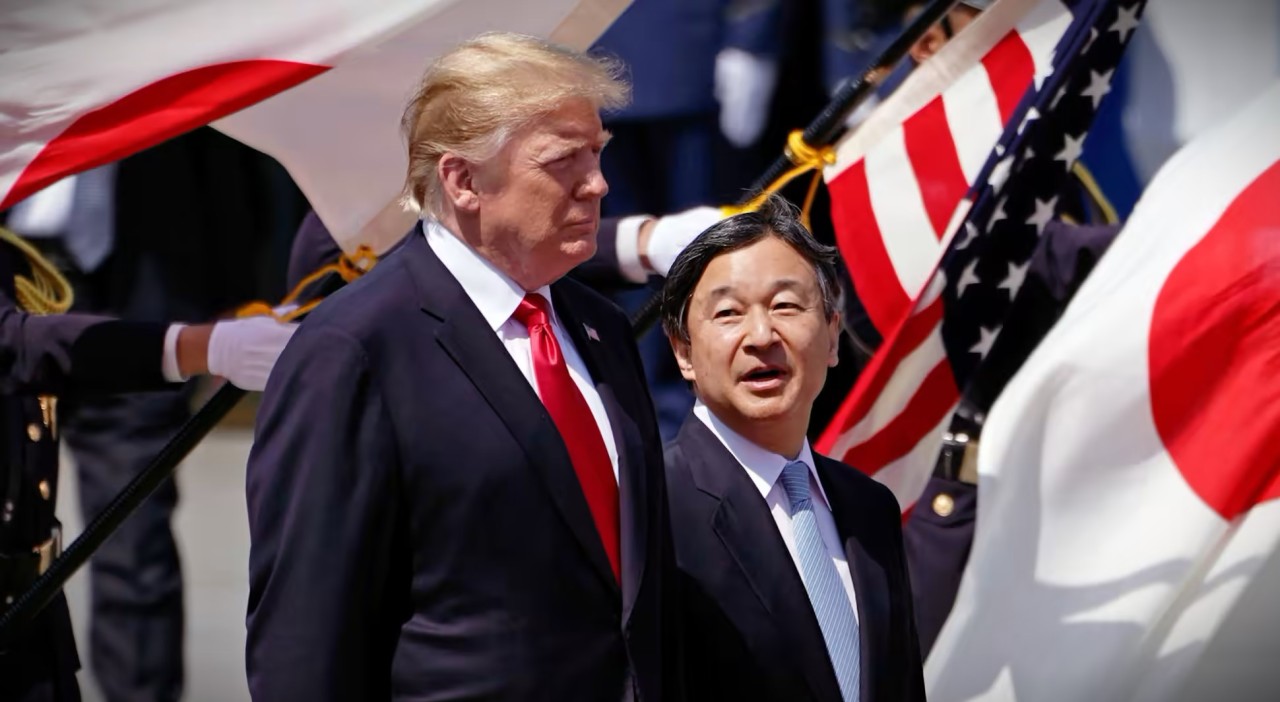
The return of Donald Trump to the White House could present Japan with a unique set of challenges, particularly given its long-standing reliance on the United States for foreign and security policy. Trump’s approach to foreign relations, described by Shigeru Ishiba in 2017 as one of creating anxiety and psychological instability before striking a deal, has raised concerns in Japan, which is surrounded by nuclear powers Russia, China, and North Korea, and has faced confrontations with China in disputed waters.
Japan’s diplomatic and economic relationship with the U.S. is at a critical juncture, as it is unclear whether Japan’s proximity to the U.S. will ensure preferential treatment under Donald Trump “America First” agenda or expose Japan to the risks of a trade war and diplomatic unpredictability. Japan’s relationship with Trump’s administration will significantly influence both its future and the U.S.’s efforts to confront China, according to Professor Ken Endo from the University of Tokyo.
Prime Minister Shigeru Ishiba, who replaced the assassinated Shinzo Abe, faces immense pressure. Abe, a former prime minister, was able to forge a strong bond with Trump, leveraging personal diplomacy, golf, and military cooperation to make Japan one of Trump’s closest allies. In contrast, Ishiba is seen as an idealistic figure, lacking Abe’s charisma and experience, which has made his early interactions with Trump more challenging, including a short, awkward phone call with the president-elect.
Further complicating matters, Ishiba’s party recently lost its parliamentary majority, and he faces a rocky road to re-election in the upper house next summer. His government is also grappling with Japan’s growing trade surplus with the U.S. and a relatively modest defense budget, which is still under pressure to meet U.S. expectations for military spending. These issues may heighten the strain in U.S.-Japan relations if Trump pushes for more substantial defense contributions from Tokyo.
RELATED NEWS;
Trump Puts Ukraine Conflict at the Top of His Priority List for Second Term
Ukrainian Soldiers in Russia Ordered to Hold Ground Until Trump Takes Office
Trump Threatens New Tariffs on China, Mexico, and Canada on Day One of Presidency
Trade relations also loom large in the relationship, especially with Japan facing tariffs and the impact of Trump’s protectionist stance. Despite Japan’s efforts to reduce dependence on Chinese supply chains, tariffs could significantly affect its economy. However, Japan may try to negotiate tariff exemptions by leveraging its position as a top investor in the U.S., potentially offering support for U.S. industries like shipbuilding in exchange for trade concessions.
Trump’s return to power could also influence Japan’s stance on Ukraine. While Japan has been a staunch supporter of Ukraine and its sanctions against Russia, there is concern that a China-focused Trump administration might prioritize dealing with Beijing over supporting European allies. Japan’s strong belief in resisting territorial changes by force could put it at odds with a possible Trump position on Ukraine, leading to tension.
Despite these challenges, some observers, including Professor Yuichi Hosoya, argue that Trump may still recognize Japan’s strategic importance. Japan’s alliances in the Indo-Pacific are seen as critical to the U.S. in countering China’s growing influence in the region, and Japan has taken steps to strengthen military integration with regional allies, including South Korea, India, and Australia.
Japan’s defense policies have also evolved, with the country taking a more proactive stance in countering threats from China, North Korea, and Russia. The shift in Japan’s defense posture, including a focus on counter-strike capabilities and expanding military cooperation with the U.S., indicates a growing recognition of the importance of military readiness in its strategy.
Although Japan has ongoing disputes with China, particularly over the Senkaku Islands, Japanese officials are hopeful that Xi Jinping, facing domestic challenges, will avoid escalating tensions over Taiwan. For now, Japan remains in a state of uncertainty, awaiting clarity on how Donald Trump second term will shape the global order.


